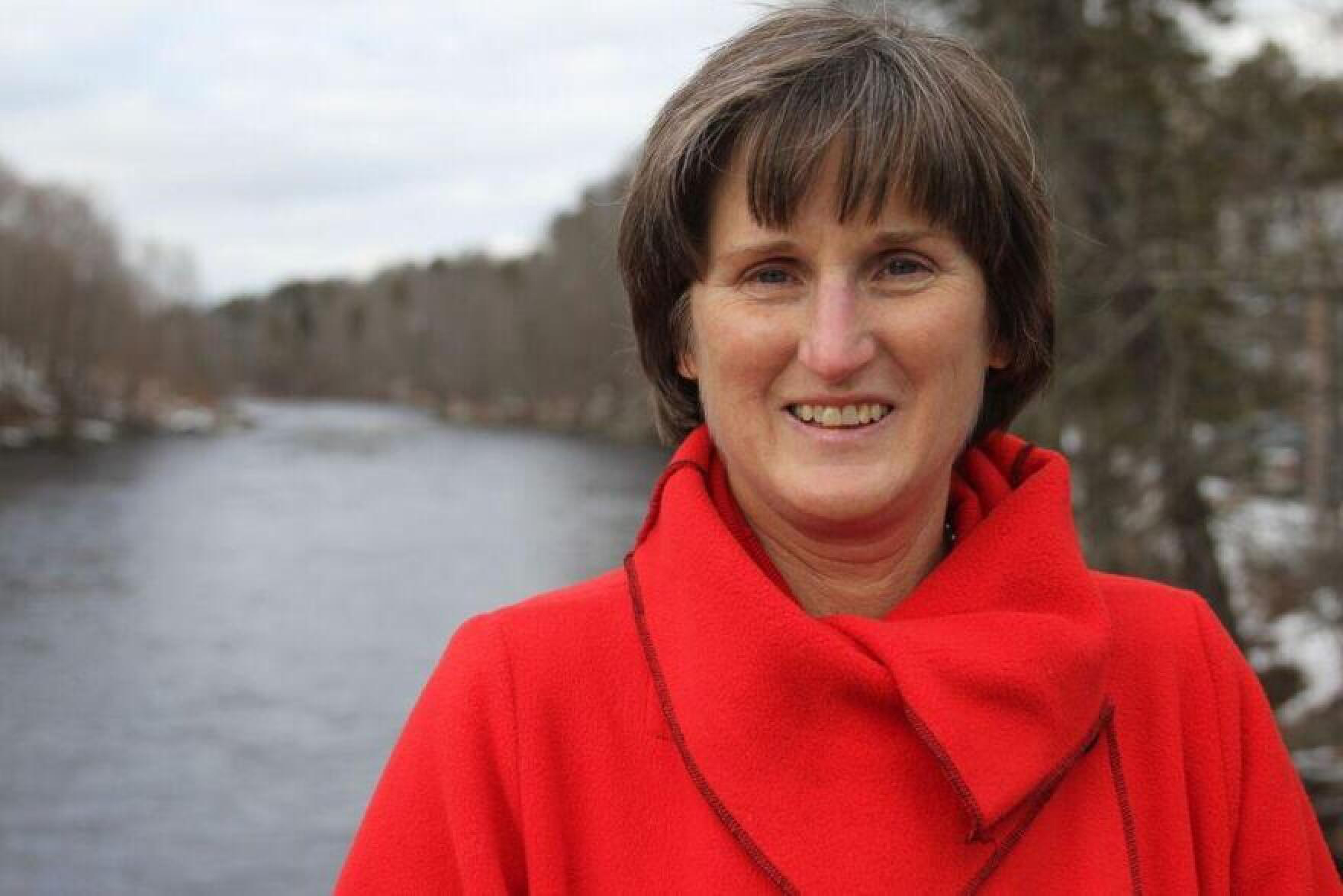
Office of the Child Advocate Director
Moira O’Neill
‘There was a bit of an epidemic in children’s mental health before the pandemic, and the pandemic has just really exacerbated that for kids,’ says Moira O’Neill, director of NH’s Office for the Child Advocate.
Moira O’Neill, the first person to direct New Hampshire’s Office of the Child Advocate, announced recently that she will not be seeking a second term as director of the agency. Since taking the job in 2018, she has led transformative change in child advocacy as well as oversight of our state’s child-serving systems.
Most recently the office issued a report that reviews how children in particular have been harmed by the Covid-19 pandemic.
Q. We’ve heard a lot about the challenges the pandemic has placed on the state’s education system, but this report goes beyond school. Can you talk about how the child welfare system has been strained during this time?
A. We often have talked the past two years that children weren’t at the greatest risk, because they didn’t have to get hospitalized and that their death rate was very low, but they were impacted in many ways. We have seen children lose their caregivers. We’ve seen children lose levels in school because they’ve been out of school. And we’ve seen a massive effect on the mental health side of things for children, where there’s been an increasing number of kids showing up in emergency rooms in acute psychiatric distress. There was a bit of an epidemic in children’s mental health before the pandemic, and the pandemic has just really had the opportunity to exacerbate that for kids.
Q. Can you give us an example of a story that you’ve heard that illustrates the ongoing ripple effects of the pandemic?
A. What we hear most about are children at the deeper end of the system.
Those are the kids that are most vulnerable because they’re not home with their families — the children placed in residential care. Very early when the pandemic started, those kids saw the doors close. They weren’t visiting with their parents. They weren’t visiting with their prospective adoptive parents. Everything sort of came to a standstill for them.
We saw one little boy recently who was doing OK in a residential setting, but when the pandemic happened he couldn’t visit with his mother any longer, and he really couldn’t cope with that. He had a special way of communicating with her. She understood him. Did he feel abandoned by (her)? We don’t know. He’s not a kid who could communicate. From that experience, everything just spiraled, and he’s really not in a good place today.
Q. Another concern outlined in this report was the crossover of children in the state’s child welfare system to the juvenile justice system. What kind of reforms would you like to see from the state on that?
A. What the concept of crossover means is that there are children who are referred to the agency for suspected abuse and neglect. Parents are just not able to either meet their needs or are not willing to meet their needs. And while the kids are waiting things get worse, and there may be altercations because no one’s making things any better. And somehow, instead of helping the family and parents, there’s a shift over to the juvenile justice system. And so you end up with kids who are in the juvenile justice system where accountability lies with the child. In the child protective system, accountability lies with the parent.
Q. Has the pandemic made you think any differently about some of these systems and how they could be more equitable?
A. Basic public health in the pandemic has been very frustrating for us and chiefly for children. We talk to children all the time. They are really frustrated with adults. They want to go to school, they want to see their friends, they want to resume their activities, and they really don’t mind wearing masks. You know, they really don’t mind doing the social distancing stuff. I think it’s really time that people stop and pull back and talk to kids themselves. Adults really do need to get out of children’s way. They need to do what they can to prevent the spread of the infection. They need to wear masks. They need to wash their hands. They need to social distance. And anybody who’s eligible for a vaccine should get vaccinated. And we should just move on and keep our political arguments to other matters because this is really affecting children in a terrible way.
This article is being shared by partners in the Granite State News Collaborative. For more information, visit collaborativenh.org.