Leading with hope can make a real difference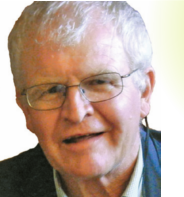
“We trust social media more than our neighbors,” someone commented at a recent Braver Angels workshop that was seeking to find common ground on trustworthy elections.
That statement barely raised an eyebrow among the diverse political activists in attendance, but it is a profound recognition of where our country stands today. Can you really trust anyone any more, and where do you go to find someone or something to believe in?
The old bumper sticker “Question Authority” feels so inadequate to describe where we stand as a nation these days. I once found that phrase to be a quaint assertion to politely ask questions, verify data and hold leaders accountable. Today, that same message (if anyone chose to use it) would likely convey total disdain — throw the bums out, no questions required.
What about trust in the workplace? Polling by the Gallup organization has found that only 23 percent of American workers strongly agree that they trust the leadership of their organization. Only 33 percent strongly agree that, “My company would never lie to our customers or conceal information that is relevant to them.” Yikes!
I sometimes read the cartoon Dilbert and have noticed that series becoming even more cynical than in the past. A recent sequence focused on increasing company earnings by making customer returns more difficult, including requiring a defective item to be sent back in “the plastic bag you threw away when you unwrapped it.”
I sometimes wonder how businesses and institutions can survive in this negative climate. In his classic book, “The Seven Habits of Highly Effective People,” Stephen Covey writes, “It simply makes no difference how good the rhetoric is or even how good the intentions are; if there is little or no trust, there is no foundation for permanent success.”
It is awfully easy to fall into a funk of despair when you consider employee and customer dissatisfaction on top of problems like political polarization, economic disparities and a warming climate.
But, wait, all is not lost! I recently listened to a brilliant Maine Public Radio discussion on “finding a sense of hope when the news all around us is bleak.” The topic clearly struck a chord as several callers said it was their best program ever. Panelist Brittany Longsdorf, chaplain at Bates College, observed: “Hope and despair are interlinked in almost every way, being human is holding onto both at the same time.” Engagement and hope are connected, too. “Find a way out of no way,” was another sound observation.
So, change is on us — if we don’t like what we see, it is our responsibility to act. Take stock of your skills and interests and choose a positive path forward, however great or small.
Making personal connections with others can be a core element. We often pass by people like ships in the night, barely noticing (and maybe engrossed in our phones).
Listening is an important skill that has largely been lost in our busy times. Covey describes listening to understand rather than listening to respond. This is hard work, but so important.
As I have written previously, leaders especially need to make the personal investment to earn trust, by acting with authenticity and transparency. Ongoing self-reflection, including a deep understanding of how our actions and behavior impact others, must be coupled with a commitment to ongoing personal development and relationship building.
“No one cares what you know until they know that you care!” Benjamin Franklin once said, offering brilliant advice that transcends time.
Gallup’s leadership research identified additional competencies that inspire trust, including focusing on followers’ needs, expectations and aspirations; comfort with leading change in alignment with vision; inspiring and encouraging others and celebrating their successes; openly seeking information and inviting dissent; communication skills that foster dialogue; and accountability to hold yourself and others responsible for performance.
By the way, those folks from across the political spectrum — at the workshop I mentioned at the start — did find common ground that day. “We agreed on more things that I would have thought, and people in this room were hungry,” one person observed at the end. Yes, people are hungry for something better, and we need leaders who can show us the way.
We each have an extraordinary opportunity to make a difference in people’s lives, including our own. Don’t underestimate your impact!
Douglass P. Teschner, founder of Growing Leadership LLC, can be reached at dteschner@Growing-LeadershipLLC.com.