

The state’s Public-Private Partnership program was idled by the pandemic and, at least for now, it’s still in neutral.
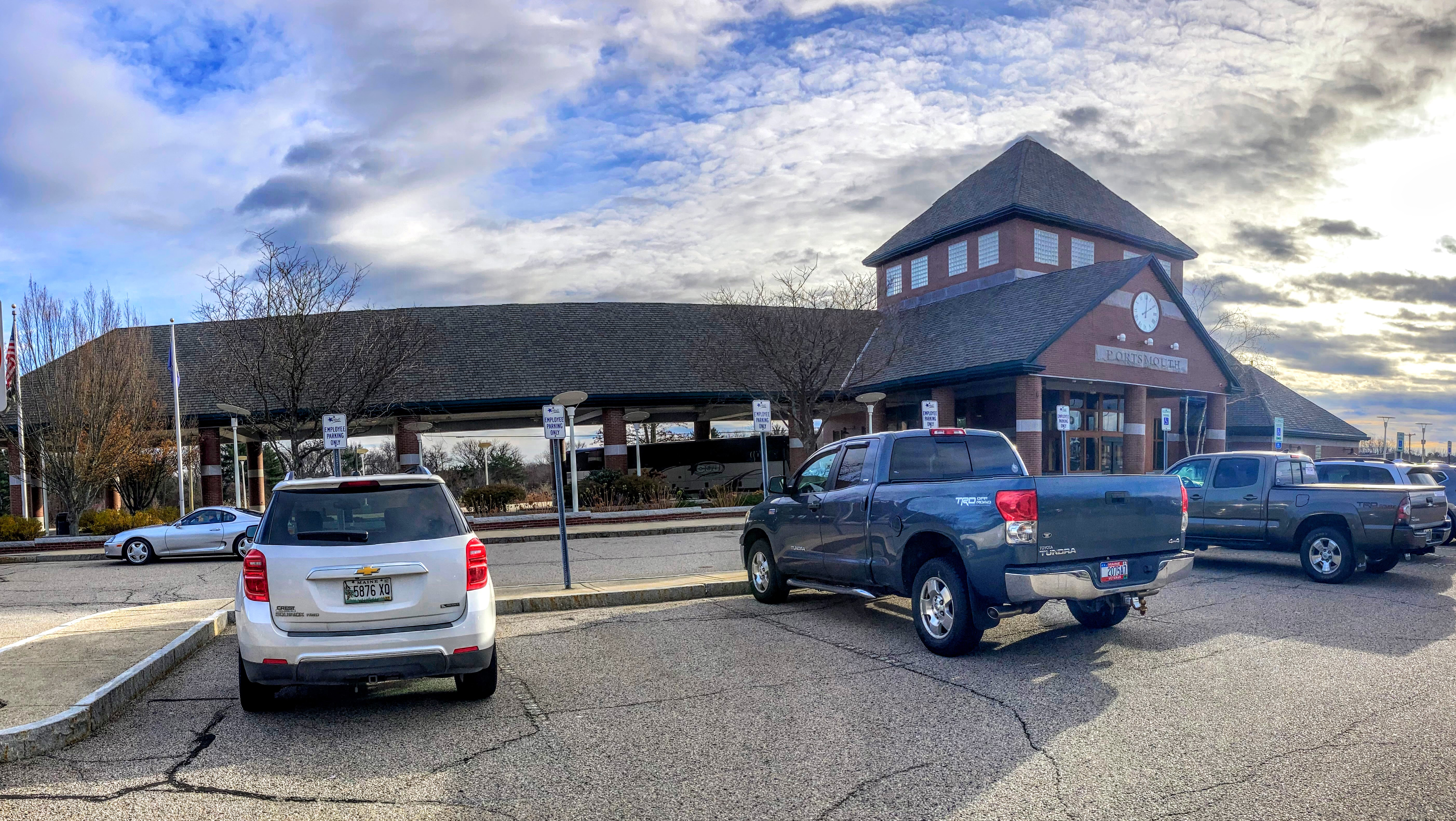
The program, under the auspices of the state Department of Transportation, seeks to engage private companies to own and operate certain services that might otherwise be managed by the state. NHDOT was on the verge of its first contract — to C&J Bus Lines — to own, manage and expand at the company’s expense the two depots in Portsmouth and Dover that it has been operating as a state contractor.
That was in late 2019. Then Covid hit. “It was determined that we just wanted to put everything on hold until we were coming out of the pandemic and could see what the long-term trends in transportation would be,” said NHDOT Commissioner Victoria Sheehan.
In May 2021, NHDOT exercised its right to cancel the request for proposals related to the C&J offer.
But Jim Jalbert, C&J’s owner and founder, is hopeful the proposal can be revisited.
“It’s just going to take some time,” said Jalbert. “Every transportation system in the country was severely impacted.”
The P3 Commission, as it’s called, was established in 2016 by the Legislature to consider how the state and private enterprises might collaborate to finance, design, build, operate and maintain transportation infrastructure projects.
There are five members, each serving two-year terms, with two members appointed by the Senate president, two appointed by the House speaker and one appointed by the state treasurer. As NHDOT commissioner, Sheehan serves as chair.
The commission last met in May 2020 via Zoom as it was just putting the finishing touches on the RFP from C&J, which, pre-pandemic, provided frequent routes from both its Dover location on Indian Brook Road and its Portsmouth location on Grafton Road at the Pease International Tradeport to Logan International Airport, South Station in downtown Boston and New York City.
But by then restrictions on travel and public gatherings forced by the highly contagious and potentially deadly Covid-19 virus had really begun to affect how everyone lived and worked.
Few people went into work, instead working remotely from home. Few people took to the skies for business or leisure travel. People opted for telehealth visits with doctors rather than in-person visits.
This greatly impacted transportation services such as C&J then and still does today.
“Public transit systems are operating at less than 20 percent capacity across the country,” said Jalbert. “When you look at all that, I think the DOT said: ‘Let’s stand back and take a breath for a second, see where all this lands.’ We continue to have conversations about what’s going on; they continue to be a great partner of ours.”
Other ideas
Jalbert’s proposal was to have the two stateowned Park & Ride sites operated as a private business. As owner, Jalbert proposed charging for parking to free up parking spaces for bus travelers, thus providing revenue for parking expansion and infrastructure improvements, including to the terminal buildings.
A problem cited by Jalbert to the commission was people using the free parking at the Park & Ride sites as long-term parking for their personal or professional vehicles (in particular during snow emergencies in Portsmouth when on-street parking is limited).
Other ideas entertained by the P3 Commission that were either initiated by NHDOT or by individuals included a full-service rest area along the Spaulding Turnpike, a new rest area in the Littleton area along Interstate 93, a tourism train between Wilton and Greenfield, and an abandoned railroad corridor in Conway being used for pedal-powered rail bicycles. None of those ideas advanced very far.
The only one to come close was the C&J idea. The P3 Commission’s ability to focus on these and other potential proposals is clouded by the continuing effects and after-effects of the pandemic, according to Sheehan. In particular, she looks at the situation in Boston, serviced by C&J.
“While most industries have flexed open, it’s still very difficult to determine what travel behavior is truly associated with the pandemic versus what is lasting,” said Sheehan, noting that some businesses may flex between in-person and remote work for the short-term or permanently, especially as concerns are raised about new variants of the virus and whether vaccines help or hinder rebound efforts.
“These are the things that are hard for us to distinguish in the transportation world,” said Sheehan.
“We’re continuing to follow the traffic volume numbers and determine trends from those and look at the bus ridership. But it’s hard to pinpoint how much is still related to where we’re at in the pandemic versus the long-term shifts.”
Jalbert pointed to a report released in July that consultants McKinsey & Co. did for the state of Massachusetts forecasting pandemic-driven shifts in work habits in the Boston/Cambridge area.
After surveying hundreds of businesses, it determined that between 300,000 to 400,000 jobs will be eliminated or phased out over the next 10 years and a third of employers plan to cut back on their commercial real estate needs over the next two years.
With the demand for office space dropping by up to 20 percent, the report said, commuter rail usage could fall between 15 and 50 percent from pre-pandemic levels, and up to 5 million fewer business travelers could visit Boston annually by 2030, a drop of nearly 30 percent, leading to an overall decline of 15 percent in total passengers at Logan Airport.
“It’s all very telling,” said Jalbert. “We have designed our Boston service schedules to be spread more throughout the whole day to accommodate people who go in early but want to come home midday or go in later and come home later at night. And I think that’s the new way of serving people who use alternative transportation.”
C&J in October opened a new bus terminal in Seabrook, replacing the Park & Ride it was using in Newburyport, Mass. “The public reaction has been extremely positive,” he said.
Kevin Smith, town manager in Londonderry and a member of the P3 Commission, hopes to see the group get back to work.
“There were a lot of good ideas submitted. There were some that I think were a little too far out of the box and weren’t going to go anywhere, but there were a number of projects I think were worthy of consideration,” said Smith, who also serves as chair of the Pease Development Authority. “I always thought it was a great idea and something that was long overdue, so I certainly hope that the committee stays intact and that it picks up where it left off.”
Sheehan has no set timetable on when that might happen, although it could begin in early 2022 to at least get commission members together to update them on where things stand.
“We’re still committed to looking at these P3 opportunities,” she said. “It’s a great tool to have in the toolkit. We’re appreciative that we have this authority and legislation to work with the P3 Commission.”